Why Every Drop Matters
Dehydration is a serious, potentially life-threatening condition in pets that occurs when fluid output exceeds intake. Unlike hunger, thirst can escalate into a medical crisis quite quickly, especially during periods of extreme heat, intense exercise, or if your pet is experiencing vomiting, diarrhea, or fever. As an emergency veterinary facility, Steel City Emergency Vets encourages all pet owners in the Birmingham Metro Area to be vigilant. Recognizing the initial signs of dehydration can save your pet a stressful, and potentially costly, visit to the emergency room. Here are the simple, yet crucial, checks you can perform at home.
The Skin Turgor Test (Elasticity)
One of the most reliable indicators of hydration is skin elasticity, often called the skin turgor test. Gently lift the skin between your pet’s shoulder blades or along the back to form a tent. In a well-hydrated animal, the skin should snap back into place immediately. If your pet is dehydrated, the skin will return slowly or remain in the pinched position for several seconds. A slow return time indicates mild to moderate dehydration and warrants immediate attention.
Checking the Gums (Capillary Refill Time)
Another critical area to check is your pet’s gums. Healthy gums should be moist and slick to the touch. Press your finger lightly on your pet’s gum tissue until the area turns white. This is called the Capillary Refill Time (CRT). In a healthy pet, the color should return to pink almost instantly (in less than two seconds). If the gums are dry, sticky, or tacky, and the refill time is delayed, your pet is likely dehydrated. Pale, white, or grey gums are a sign of severe dehydration and a medical emergency.
Eye Appearance and Energy Levels
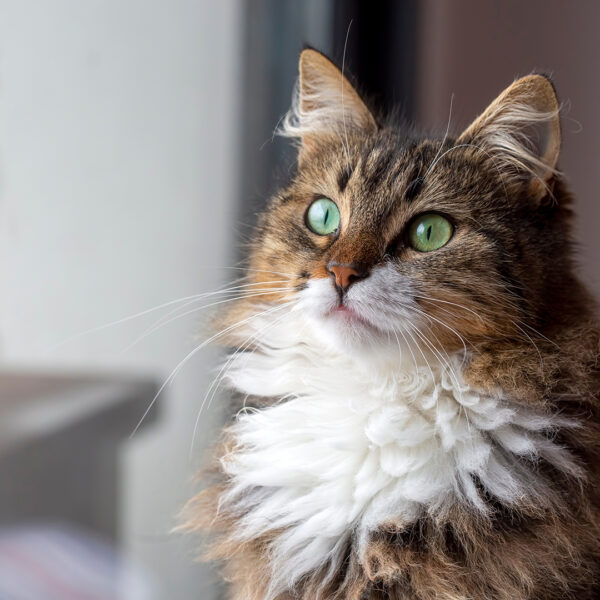
As dehydration progresses, your pet’s eyes may appear dull or sunken in their sockets. This is due to the loss of fluid volume around the eye tissues. Beyond physical signs, note any changes in behavior. Dehydrated pets often exhibit lethargy, reduced energy, and reluctance to move. They may also lose their appetite. If your normally energetic pet seems unusually tired or withdrawn, check their water intake history and perform the other hydration tests.
Assessing Urine Color and Frequency
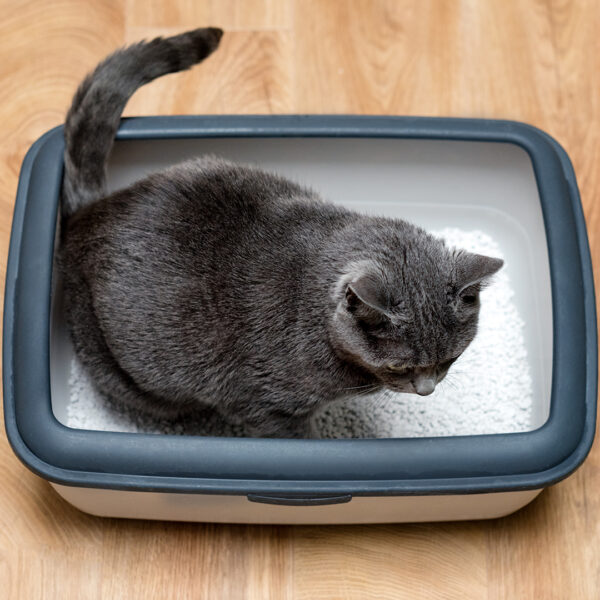
In a well-hydrated pet, urine should be a pale yellow or straw color. If your pet is dehydrated, their body tries to conserve water, resulting in highly concentrated urine that appears much darker yellow or even orange. Additionally, watch for a reduced frequency of urination. If your pet hasn’t urinated in many hours, or if you notice the urine is noticeably darker than usual, it can be a significant sign that they are not taking in enough fluids.
Conclusion: When to Call the Vet
If you notice any combination of these signs—especially prolonged skin tenting, dry gums, or extreme lethargy—it is time to seek professional help. While mild dehydration can sometimes be managed at home by encouraging small, frequent sips of water, moderate to severe cases require immediate veterinary intervention. At Steel City Emergency Vets, we are here 24 hours a day, 7 days a week to provide the critical care and IV fluids necessary to stabilize your pet. If in doubt, call us at (205) 336-7542.