Cats are masters of hiding their discomfort, a trait that can make it difficult to know when they need help. At Steel City Emergency Vets, we want to empower you to recognize the earliest warnings. Reach out today if you notice any of these subtle cues, then contact us to ensure they receive the timely care they need.
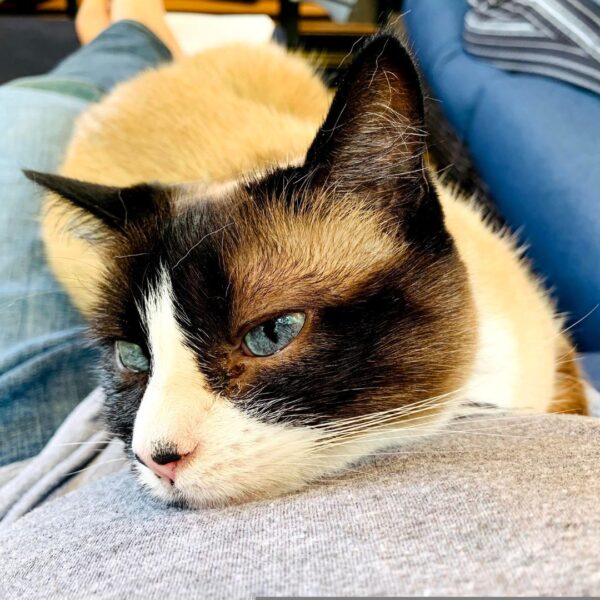
Changes in Behavior or Temperament
A normally social cat that suddenly seeks solitude or a typically independent feline that becomes unusually clingy may be in distress. Pay close attention to uncharacteristic aggression, hissing, or growling, especially when they are touched or approached. These shifts in temperament are often a primary indicator that something is wrong.
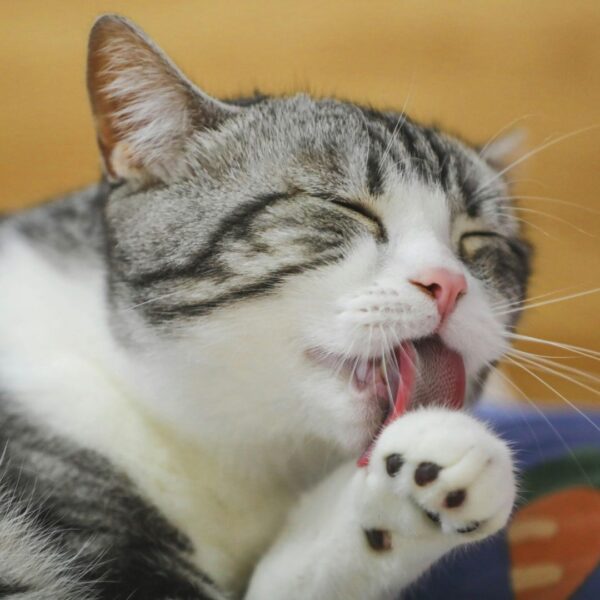
Altered Grooming Habits
Noticeable changes in grooming can be a significant red flag. A cat in pain may stop grooming altogether, resulting in a matted or unkempt coat. Conversely, they may excessively lick a specific area that is hurting them. This over-grooming, or barbering, is a clear signal that they are focusing on a source of discomfort.
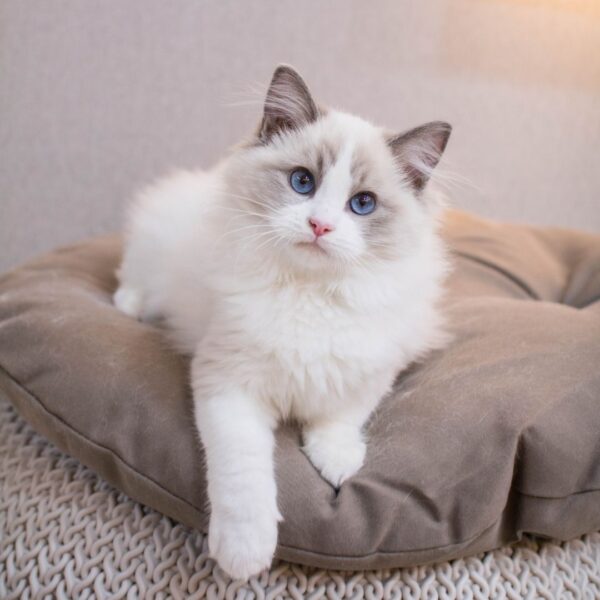
Shifts in Mobility and Posture
Pain, especially from arthritis or injury, often manifests as a reluctance to move. You might notice your cat hesitates to jump onto furniture, uses stairs less frequently, or has difficulty getting into their litter box. A hunched posture with their head lowered or a stiff gait can also indicate abdominal or joint pain.
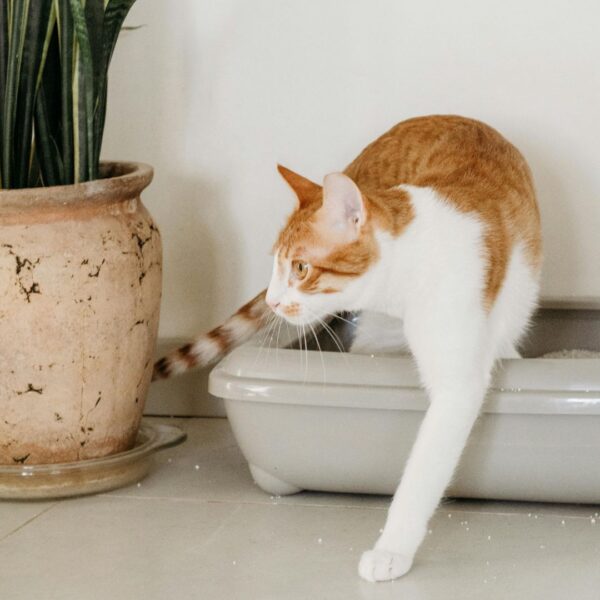
Variations in Litter Box Usage
While often mistaken for a behavioral issue, urinating outside the litter box is a classic sign of medical distress in cats. Conditions like urinary tract infections or bladder stones can make urination painful, causing them to associate the litter box with that pain. Never ignore this change; it often warrants immediate veterinary attention.
Since cats hide their pain so effectively, your observation is their best defense. If you notice any of these signs, trust your instincts. Our compassionate team at Steel City Emergency Vets is here to help. Contact us for guidance or visit our clinic for an urgent assessment.